
Refreshing Summer Hydration Tips for the Whole Family

Summer in Jamaica brings warm (who am I kidding) HOT!!!!! weather and plenty of outdoor activities, but it also raises the risk of dehydration. Staying hydrated is essential for everyone, especially children, the elderly, and those taking medications that affect water balance. Drinking plain water can sometimes feel boring, so finding creative and enjoyable ways to keep hydrated helps maintain health and energy throughout the season.

Why Hydration Matters
Jamaica’s tropical climate means high temperatures and humidity, which increase sweating and fluid loss. Without enough fluids, the body struggles to regulate temperature and maintain vital functions. Dehydration can cause headaches, fatigue, dizziness, and in severe cases, heat stroke.
Children and elderly people are more vulnerable because their bodies handle heat and fluid loss differently. Children may not recognize thirst or may be too busy playing to drink enough. Older adults often have a reduced sense of thirst and may have health conditions or medications that affect hydration.
Creative Hydration Strategies for Children
Keeping kids hydrated can be a challenge, especially when they prefer sugary drinks (even with the new taxes) or forget to drink water. Here are some fun and tasty ways to encourage hydration:
Fruit-Infused Water
Add slices of local fruits like pineapple, mango, or watermelon to water. The natural sweetness and color make it more appealing without added sugar.
Homemade Popsicles
Freeze coconut water mixed with small pieces of fruit or natural fruit juice in popsicle molds. These are refreshing and hydrating treats perfect for hot days.
Hydrating Snacks
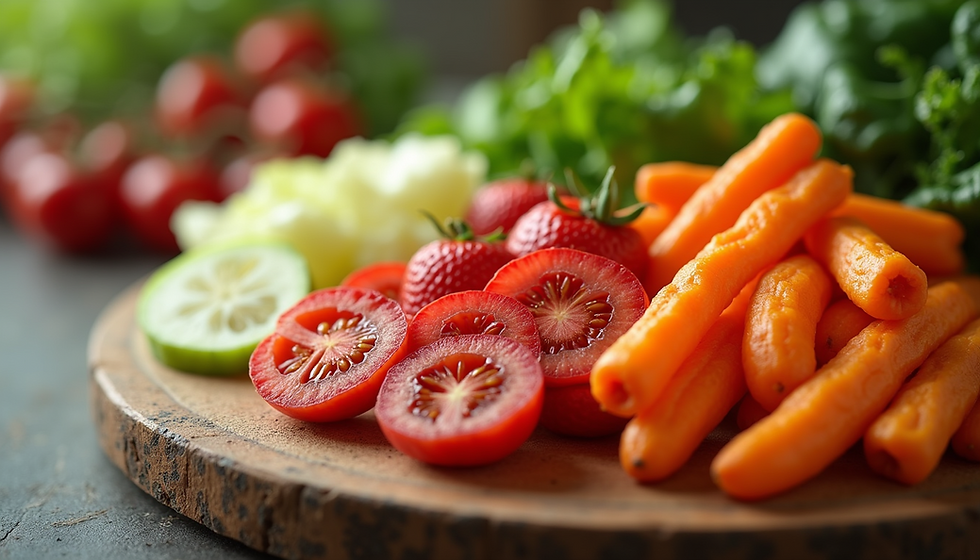
Offer snacks with high water content such as cucumbers, oranges, and watermelon. These foods help increase fluid intake while providing vitamins.
Colorful Reusable Water Bottles
Give children water bottles with their favorite colors or characters. Having a special bottle encourages regular sipping throughout the day.
Set Hydration Reminders
Use timers or apps to remind kids to drink water, especially during outdoor play or sports.
Hydration Tips for the Elderly
Older adults face unique challenges with hydration. Their bodies lose water more quickly, and some medications can increase fluid loss or retention. Here are ways to support hydration in the elderly:
Offer Warm and Cold Fluids
Some elderly people prefer warm drinks like herbal teas, which can be soothing and hydrating. Others may enjoy cold drinks like diluted fruit juices or flavored water.
Serve Soups and Broths
Light soups and broths provide fluids and nutrients. Jamaican dishes like pepper pot soup or vegetable broth can be both tasty and hydrating.
Encourage Small, Frequent Drinks
Instead of large amounts at once, encourage sipping fluids throughout the day to avoid discomfort.
Monitor Medication Effects
Many medications, such as diuretics or laxatives, affect water balance. Caregivers should consult healthcare providers to adjust fluid intake accordingly.
Create a Hydration Schedule
Set regular times for drinking fluids, such as after meals or during social activities, to build a routine.
Understanding Medication and Hydration Balance
Certain medications can influence how the body handles water, making hydration more complex. Some common examples include:
Diuretics
Used for high blood pressure or heart conditions, these increase urine output and fluid loss.
Laxatives
Can cause dehydration if overused.
Antidepressants and Antipsychotics
May reduce thirst sensation or cause dry mouth.
Blood Pressure Medications
Some can affect kidney function and fluid retention.
People on these medications should:
Consult Healthcare Providers
Discuss hydration needs and any symptoms of dehydration.
Track Fluid Intake and Output
Keep a simple log to notice changes.
Avoid Excessive Caffeine and Alcohol
Both can increase fluid loss.
Adjust Fluid Intake Based on Activity and Weather
Hot days and exercise require more fluids.
Hydrating Foods and Drinks
In addition to plain water, many traditional Jamaican foods and drinks contribute to hydration:
Coconut Water
Naturally rich in electrolytes, it replenishes fluids and minerals lost through sweat.
Sorrel Drink
This refreshing drink is hydrating and packed with antioxidants. Just avoid adding the rum. (I know.....2 Spirits gone in one summer)
Tamarind Juice
A tangy, sweet drink that provides fluids and vitamins. Add water to commercially available variants.
Fresh Fruits
Mangoes, pineapples, oranges, and watermelon have high water content.
Vegetable-Based Soups
Soups with okra, callaloo, or pumpkin add fluids and nutrients.
Including these options makes hydration enjoyable and culturally relevant.
Tips for Staying Hydrated During Outdoor Activities
Summer in Jamaica may mean beach days, pool parties, playin g outside, and music festivals. Staying hydrated during these activities requires planning:
Carry a Water Bottle
Always bring enough water for the duration of the activity.
Use Shade and Rest Breaks
Take breaks in shaded areas to reduce sweating and fluid loss.
Wear Lightweight, Breathable Clothing
This helps the body cool down naturally.
Avoid Sugary or Caffeinated Drinks
These can increase dehydration. Save the Double Explosive Adrenaline fueled Aerial acrobatics for the movies.
Eat Hydrating Snacks
Fresh fruits or light salads help maintain fluid levels.
Signs of Dehydration
Recognizing dehydration early can prevent serious health issues. Common signs include:
Dry mouth and lips
Dark yellow/ orange/brown urine or infrequent urination
Fatigue or weakness
Dizziness or lightheadedness
Headache
Irritability or confusion (especially in elderly)
If these symptoms appear, increase fluid intake and seek medical advice if they worsen.
Encouraging a Hydration Culture at Home and Community
Building habits around hydration benefits everyone. Families and communities can:
Make Water Readily Available
Keep pitchers or bottles of water accessible.
Lead by Example
Adults drinking water regularly encourage children to do the same.
Organize Hydration Breaks
During group activities or events, schedule water breaks.
Educate About Hydration
Teach children and elders why drinking fluids matters.
Use Local Resources
Promote traditional hydrating foods and drinks.


Comments